News
A2026-11-17
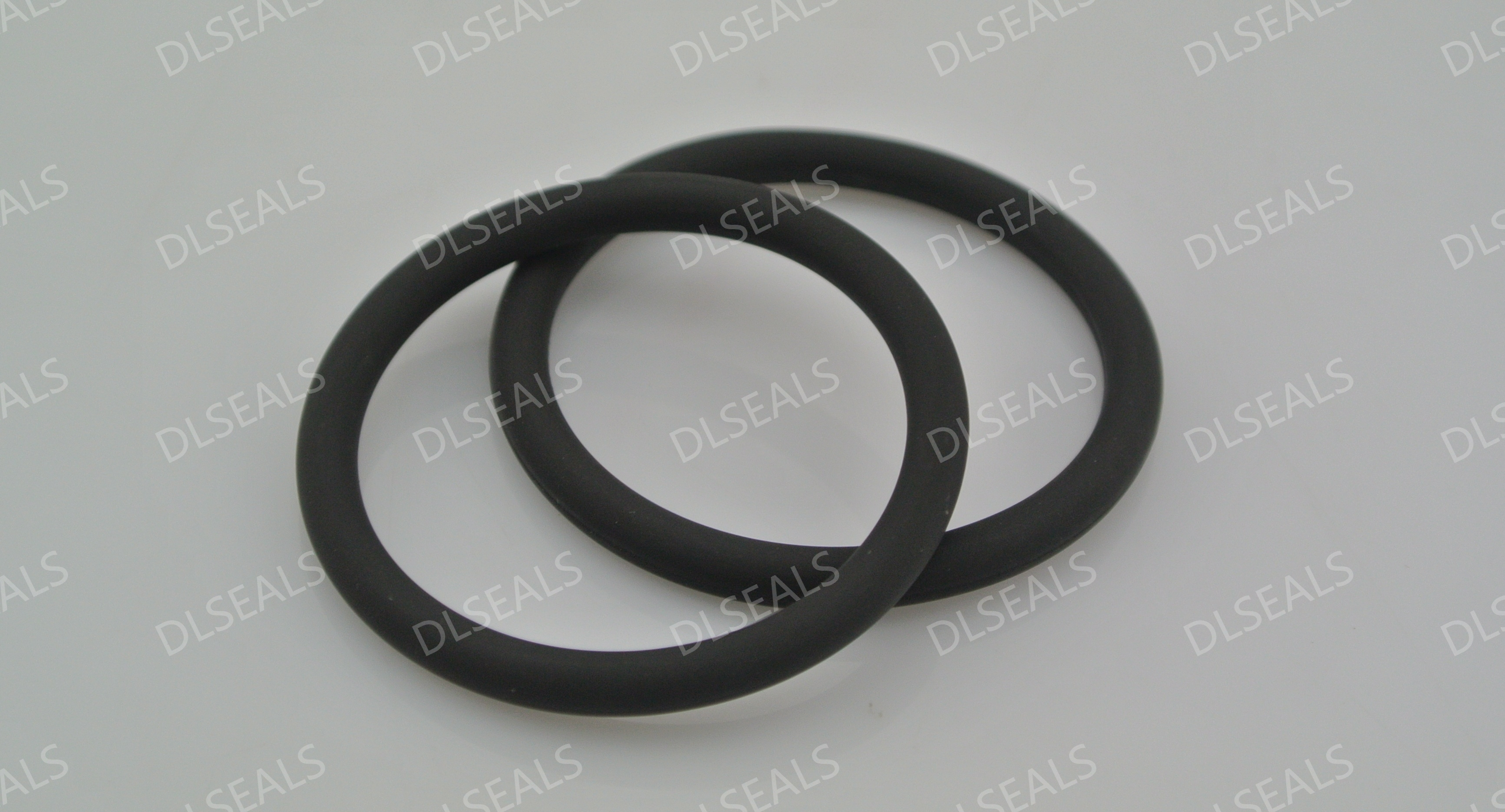
EPDM (Ethylene Propylene Diene Monomer) is a widely used synthetic rubber in industrial sealing applications. It is commonly used in industrial seals, automotive components, water treatment systems, HVAC equipment, and chemical processing equipment.
Compared with common elastomers such as NBR and FKM, EPDM is particularly known for its excellent resistance to water, ozone, weathering, and hot water. It is not a universal material suitable for every operating condition. However, it offers reliable sealing performance in applications involving water, steam, outdoor exposure, and certain polar chemicals.
1. Excellent Resistance to Water and Steam
EPDM offers good resistance to water, hot water, and many water-based media. It is widely used in water supply systems, hot water pipelines, steam equipment, pumps, valves, and water treatment systems. With an appropriate compound and curing system, EPDM can also be used for steam sealing under certain temperature and pressure conditions.
In applications involving prolonged exposure to hot water or water vapor, conventional FKM and NBR compounds may not always provide equally suitable performance. EPDM is therefore commonly considered for boiler auxiliary systems, hot water circulation systems, heat exchangers, and industrial pipelines.
2. Excellent Ozone, Weathering, and Aging Resistance
EPDM has excellent resistance to ozone, ultraviolet radiation, and atmospheric aging. Even after prolonged outdoor exposure, it is less prone to ozone cracking than many unsaturated rubbers.
This makes EPDM particularly suitable for outdoor equipment, building seals, automotive exterior sealing components, solar energy equipment, and static sealing applications exposed to the atmosphere over extended periods.
3. Good Chemical Resistance
EPDM is compatible with many polar media, including certain dilute acids, dilute alkalis, alcohols, ketones, glycols, and phosphate ester hydraulic fluids.
In automotive brake systems, EPDM is commonly used in sealing components exposed to glycol-based brake fluids. In industrial equipment, it can also be used in selected water-based hydraulic systems and chemical fluid pipelines.
However, EPDM is not resistant to every chemical. Strong oxidizing media, highly concentrated chemicals, and certain solvents require specific compatibility evaluations based on the actual compound.
4. Good Low-Temperature Flexibility
EPDM maintains good flexibility at low temperatures. Certain specially formulated compounds can retain elasticity in relatively cold environments, making them suitable for outdoor equipment in cold climates, low-temperature water systems, and some cooling applications.
Compared with many conventional rubber materials, EPDM offers favorable low-temperature flexibility. However, its minimum operating temperature depends on the compound formulation, hardness, curing system, and actual service conditions. It should not be determined solely by the material name.
5. Good Overall Cost Efficiency
EPDM has a mature raw material supply and manufacturing process. It offers a good balance between performance and cost in water systems, HVAC applications, automotive components, and general industrial sealing.
When the media compatibility and temperature requirements are within its operating range, there is often no need to use more expensive specialty fluoroelastomers.
When selecting EPDM, the first consideration should be the sealing medium rather than operating temperature alone.
Water, hot water, and steam systems: Suitable for water supply pipelines, hot water circulation equipment, boiler auxiliary systems, heat exchangers, pumps, valves, and water treatment equipment. The compound must be selected according to steam temperature, pressure, and exposure duration.
Outdoor and weather-exposed applications: Suitable for building seals, automotive exterior seals, outdoor machinery, and solar energy equipment. Its ozone and weathering resistance helps extend service life.
Glycol-based and water-based media: Suitable for automotive cooling systems, selected water-based hydraulic systems, and glycol-based brake fluid systems. Compatibility with the specific fluid formulation and additives should be confirmed.
Selected chemical applications: Suitable for certain dilute acids, dilute alkalis, alcohols, and ketones. The chemical concentration, temperature, and exposure time must be evaluated.
Phosphate ester hydraulic fluids: EPDM is a material worth considering for sealing applications involving these specialized hydraulic fluids. Compatibility should still be verified against the specific fluid and rubber compound.
In general, EPDM should be considered when equipment is exposed to water, steam, or compatible polar media and requires good long-term weathering resistance.
Different rubber materials have different molecular structures, resulting in significant differences in their resistance to oils, water, chemicals, and temperature.
| Comparison | EPDM | NBR (Nitrile Rubber) | FKM (Fluoroelastomer) | Silicone Rubber |
|---|---|---|---|---|
| Water and hot water resistance | Excellent | Fair; depends on temperature and compound | Generally limited with conventional grades | Good; steam conditions require evaluation |
| Steam resistance | Excellent with suitable compounds | Generally poor | Limited with conventional grades; special grades available | Compound-dependent |
| Mineral oil resistance | Poor | Excellent | Excellent | Poor |
| Fuel resistance | Poor | Good; depends on fuel type | Excellent | Poor |
| Ozone and weathering resistance | Excellent | Poor | Excellent | Excellent |
| High-temperature performance | Good; compound-dependent | Moderate | Excellent | Excellent |
| Low-temperature flexibility | Good | Moderate; compound-dependent | Limited with conventional grades; special low-temperature grades available | Excellent |
| Mechanical strength and wear resistance | Moderate; compound-dependent | Generally good | Good | Generally lower |
EPDM vs. NBR
This is one of the most common comparisons in industrial seal selection. NBR offers excellent resistance to mineral oils, lubricating oils, and many fuels, making it suitable for hydraulic cylinders, oil pumps, and lubrication systems.
EPDM, on the other hand, is better suited to water, hot water, steam, and outdoor environments.
If a seal is continuously exposed to mineral oil or petroleum-based hydraulic fluids, EPDM may swell, soften, and lose its mechanical properties. Conversely, when the application mainly involves hot water, steam, or outdoor exposure, EPDM is generally a more suitable option than conventional NBR.
EPDM vs. FKM
FKM provides excellent high-temperature performance and good resistance to mineral oils, fuels, and many chemicals. It is therefore widely used in high-temperature oil circuits, fuel systems, and selected chemical processing equipment.
EPDM is generally more suitable for hot water, steam, weathering resistance, and certain water-based media. It is important to note that conventional FKM compounds are not suitable for every hot water or steam application. Special steam-resistant grades must be evaluated separately.
EPDM vs. Silicone Rubber
Silicone rubber offers excellent performance across a wide temperature range, together with good flexibility. It is commonly used in food processing equipment, medical devices, electronic products, and applications requiring excellent low-temperature flexibility.
EPDM generally offers better mechanical durability and a good balance of water and weathering resistance. However, silicone rubber has advantages in extremely low-temperature applications and certain high-temperature environments.
For applications involving high friction, wear, or mechanical impact, both materials require evaluation based on the actual sealing structure and operating conditions.
Despite its many advantages, EPDM has several important application limitations.
1. Poor Resistance to Mineral Oils and Petroleum-Based Media
This is the most important limitation of EPDM. It is generally unsuitable for prolonged contact with mineral lubricating oils, hydraulic oils, diesel, gasoline, and most petroleum-based fuels.
Exposure to these media may cause swelling, softening, and changes in hardness, eventually leading to sealing failure.
For hydraulic cylinders, gearboxes, lubrication systems, and fuel systems, NBR, HNBR, or FKM should generally be evaluated instead.
2. Lower High-Temperature Capability Compared with FKM
EPDM offers good resistance to hot water and steam, but this does not mean it is suitable for every high-temperature environment.
For seals exposed to high-temperature oil, hot gases, or aggressive chemical media, FKM and certain specialty elastomers may offer better performance.
It is also important to distinguish between the temperature limits for hot water, steam, and dry hot air. These environments can produce significantly different material performance.
3. Wear and Dynamic Sealing Performance Require Attention
EPDM can be used in certain reciprocating and dynamic sealing applications. However, its weathering and water resistance alone are not sufficient to determine whether it is suitable for high-speed rotation, high-friction operation, dry running, or abrasive media.
For these applications, compound hardness, wear resistance, friction characteristics, lubrication conditions, and seal design must all be evaluated.
Depending on the application, polyurethane, modified PTFE, or other materials with better dynamic wear performance may be more appropriate.
4. Not Compatible with Every Chemical Medium
Although EPDM offers good resistance to selected acids, alkalis, and polar solvents, it may deteriorate when exposed to strong oxidizing acids, certain special solvents, or highly concentrated chemicals.
Chemical type, concentration, temperature, and exposure duration all affect service life. Material compatibility should never be determined solely by the chemical name or pH value.
In practical engineering applications, selecting EPDM involves more than identifying the material. The compound formulation, hardness, and sealing structure must also be matched to the operating conditions.
First, identify the actual sealing medium and confirm whether it contains mineral oils, fuels, or other substances that may cause EPDM swelling.
Next, determine the operating temperature, pressure range, and temperature fluctuations. Long-term operating temperatures should be distinguished from short-term peak temperatures.
For dynamic seals, additional factors include motion type, operating speed, lubrication conditions, and friction requirements. For static seals, compression ratio, groove dimensions, compression set, and long-term sealing stability are particularly important.
EPDM is available with different curing systems and compound formulations, including sulfur-cured and peroxide-cured grades. These formulations may differ in heat resistance, compression set, and mechanical properties.
For high-temperature steam, long-term compression, or critical equipment sealing, the specific compound should be selected according to the operating requirements and verified through appropriate performance testing.
EPDM is not the most versatile sealing material, but it offers clear advantages in water, hot water, steam, outdoor environments, and certain polar chemical media.
Compared with NBR, EPDM performs better in water-related applications and environmental aging resistance. Compared with FKM, it is often more suitable and cost-effective for many water-based and steam applications. Compared with silicone rubber, it generally provides a good balance of mechanical durability and overall performance in industrial sealing.
The key to successful material selection is not choosing the material with the highest performance in one category, but matching the material properties to the actual operating conditions.
For equipment exposed to water, steam, or outdoor environments, EPDM is often a strong candidate. For applications involving oils, fuels, high-temperature oil and gas, or severe wear, materials such as NBR, FKM, HNBR, polyurethane, or modified PTFE should also be evaluated.
DLSEALS provides material selection and customization solutions for EPDM O-rings, gaskets, and other rubber sealing products based on operating media, temperature, pressure, motion type, and dimensional requirements.
[DLSEALS kindly Reminder] Sealing issues? Turn to DLSEALS! As a sealing component manufacturer, we specialize in customizing sealing components, providing a full range of services from design, research and development, production, testing, and more. If you have more information you'd like to know, feel free to contact us directly. DLSEALS's product experts are dedicated to serving you!

GUANGDONG DLSEALS TECHNOLOGY CO.,LTD.
TEL/Whatsapp
:+86 15918359971ADDRESS
:No. 2 Niujiaokeng Road, Baizhoubian, Dongcheng District, Dongguan, Guangdong, China.